
Small Bathroom Renovation: 15 Space and Light Ideas
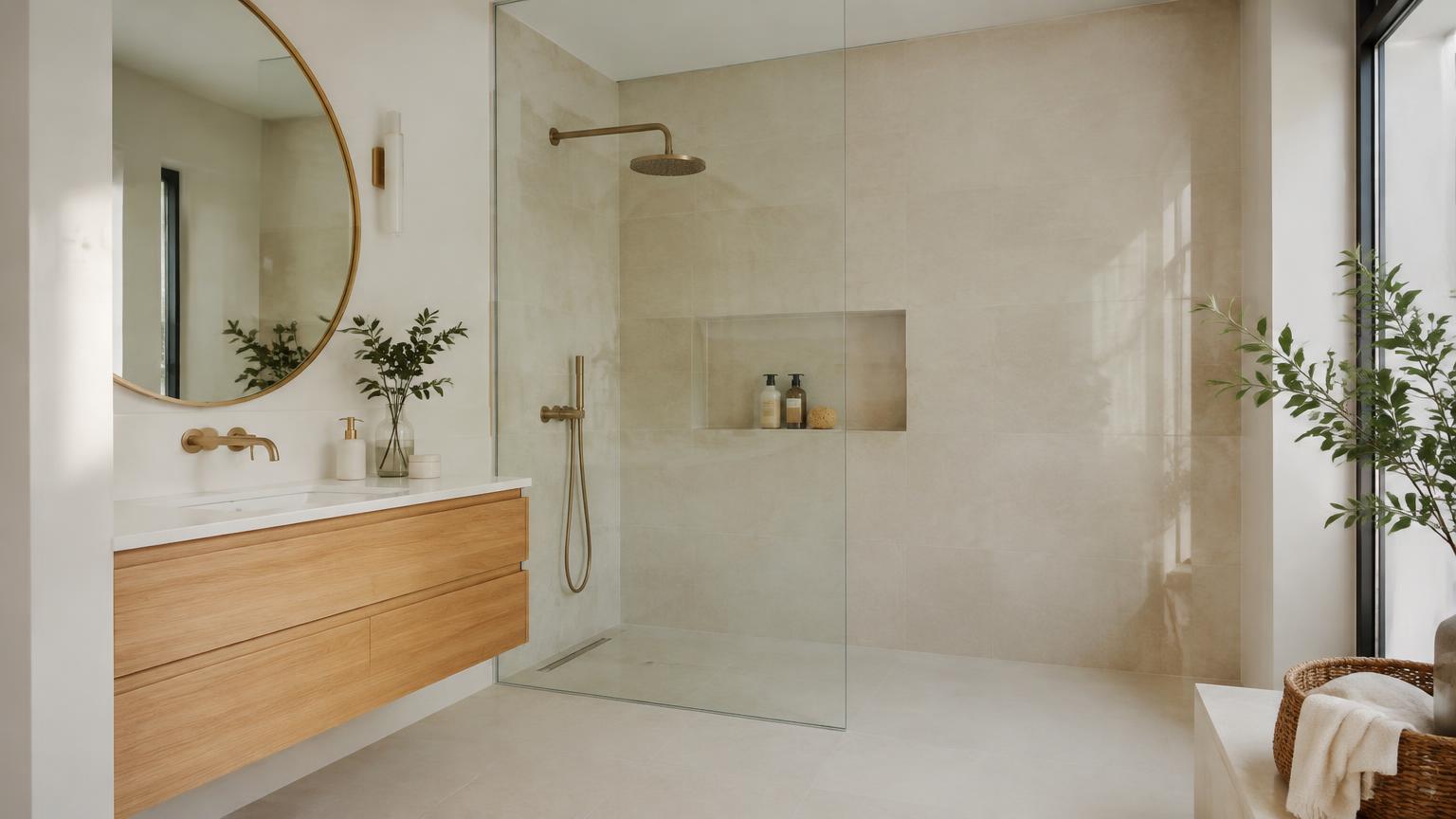
A successful small bathroom renovation starts with the layout, not the tiles. Removing awkward obstacles, choosing properly sized fittings and improving lighting can make a compact room feel much easier to use. The aim is not to squeeze in the smallest possible products, but to create a comfortable shower, a usable basin and storage where you need it.
These 15 ideas will help you decide what is worth changing and what to keep. For a Costa del Sol flat, holiday home or permanent residence, check drainage, ventilation and signs of damp before ordering finishes. Easy cleaning and accessible maintenance points matter just as much as appearance.
1. Get the layout right: ideas 1 to 3
1. Draw an accurate measured plan. Record the room’s width, length and height, along with windows, doors, pipework and the soil stack. A tape measure, spirit level and squared paper are enough to begin; a laser measure can help. Include boxed-in pipes and the opening paths of cupboards and doors.
Mark proposed fittings on the floor with masking tape. Practise entering the room, opening drawers and reaching for a towel. This simple check often reveals problems that a showroom display will not.
2. Keep the toilet close to the soil stack. Moving it may require drainage falls that are difficult to achieve without raising the floor. Retaining its position can leave more money for waterproofing, lighting and better storage.
3. Rethink the entrance door. A surface-mounted sliding door removes the inward swing if there is enough clear wall beside it. A pocket door involves more building work and a suitable wall cavity. An outward-opening door may also help, provided it does not obstruct the hallway.
Professional tip: compare installation drawings, not just product dimensions. Connections and fitting clearances take up space too.
2. Make the shower work harder: ideas 4 to 6
4. Replace an unused bath. A shower can improve access and release floor space, depending on its size and position. Before specifying a flush shower tray, ask whether there is enough depth for the waste and the required drainage fall. A completely level entrance is not possible in every property.
5. Choose a screen that suits the opening. A clear fixed panel keeps sightlines open, but it needs sufficient length to contain splashes. In a shorter shower, a sliding or folding enclosure may be more practical. Avoid hinged doors that collide with the basin or block the room.
6. Build in product storage where feasible. A shower niche removes the need for projecting baskets, but only if the wall thickness and services allow it. It needs proper waterproofing and a base that drains towards the shower. Otherwise, use a slim shelf within easy reach.
Choose surfaces with slip resistance suitable for their intended use and straightforward cleaning requirements. Grout and silicone are not substitutes for waterproofing beneath the finish. Ask for drainage checks before the installation is signed off.
3. Choose useful furniture: ideas 7 to 9
7. Fit a well-proportioned wall-hung vanity. Showing more floor makes the room feel less crowded and simplifies cleaning. The wall and fixings must support the loaded unit; lightweight partitions may need reinforcement. Do not choose such a shallow basin that normal handwashing splashes the floor.
8. Use height without adding bulk. A mirrored cabinet or slim tall cupboard can provide useful enclosed storage. Check that doors open comfortably and do not interfere with taps, lighting or circulation. Keep rarely used supplies higher up, but avoid storing heavy items overhead.
9. Organise the storage you already have. Drawer dividers help make the available volume usable. Check how much space the basin waste and isolation valves need, and retain access for repairs.
List what genuinely belongs in the bathroom before buying furniture. Spare towels and bulk cleaning supplies may fit better elsewhere in the home. Adding another cabinet often creates more inconvenience than removing products you no longer use.
4. Improve lighting and reflections: ideas 10 to 12
10. Use a generously sized mirror. A mirror across much of the vanity can add visual depth. Position it to reflect daylight or a clear wall rather than cluttered shelves. Before drilling, check for concealed services and select fixings suitable for the wall construction.
11. Combine general and face-level lighting. Ceiling lighting helps you move around safely; illumination at the mirror makes shaving and applying make-up easier. Look for good colour rendering and avoid having the only light directly behind your head.
12. Keep daylight without sacrificing privacy. Obscure glazing or a moisture-resistant privacy treatment can be more practical than heavy curtains. Keep window handles accessible and allow enough room for opening and cleaning.
Bathroom lights and electrical equipment must be suitable for their location. Before any electrical work, switch off the supply at the consumer unit and verify that the circuit is dead with a suitable voltage detector. In Spain, new installations and extensions require an authorised installer and the electrical certificate, commonly called a boletín, under the REBT. Do not relocate sockets yourself.
5. Create a calmer finish: ideas 13 to 15
13. Limit changes of material. A consistent, light-toned palette can make a compact room feel more coherent. White is not essential: pale stone, sand and warm neutral shades also work. Use stronger contrast selectively rather than dividing every surface into a different colour.
14. Match tile size to the room. Large tiles mean fewer grout lines, but may involve substantial cutting and require a very flat substrate. Ask for a setting-out plan to see where cuts, corners and joints will fall. A medium format fitted neatly can look better than oversized tiles with awkward slivers at the edges.
15. Remove small obstacles. Position towel rails, hooks and the toilet-roll holder outside the main circulation space. Choose corrosion-resistant accessories and keep the basin edge clear.
Materials should form a compatible system for the intended wet-area use: tiles or panels, adhesive, grout and sealants all matter. Never conceal damp behind paint or cladding. Identify and repair the cause first. Away from direct splashes, bathroom-suitable paint can be a practical option where the underlying surface is sound.
6. Plan the work and compare realistic costs
Use a clear sequence to avoid paying for work twice:
- Agree the layout, spending limit and everyday priorities.
- Check plumbing, electrics, ventilation and underlying surfaces.
- Confirm relevant permissions with the town hall and community of owners.
- Verify product dimensions and delivery dates before stripping out.
- Complete services, surface preparation and waterproofing before finishes.
- Allow the specified drying times, then test drainage, taps, extraction and seals.
As a guide, a cosmetic refresh might cost €800–€2,500, a bath-to-shower conversion €1,200–€3,500, and a full small bathroom renovation €3,500–€8,500, with some projects costing more. These describe different scopes rather than separate items to add together. Prices vary with specification, existing condition, access and location.
Request itemised quotes covering removal, waste disposal, plumbing, electrics, waterproofing, sanitaryware, shower screen, fitting and taxes. Ask how hidden defects will be handled and how additional work must be approved.
For a holiday property, arrange someone to inspect progress if you will be away. Avoid committing to guest arrivals before the programme and drying requirements are clear. Protect the budget for hidden essentials rather than prioritising decorative upgrades.
7. When to bring in a professional
Use qualified trades for drainage changes, shower waterproofing, electrical alterations, wall reinforcement and persistent damp. A leak can damage the flat below, while an extractor fan will not cure moisture caused by defective pipework.
In a windowless bathroom, have the extraction system and its discharge route checked. Do not connect a fan to an unidentified duct or confuse ventilation with a combustion flue. Gas work is never a DIY task: any intervention requires an appropriately authorised professional.
Lower-risk jobs may include measuring, organising storage or painting a dry, suitable surface in accordance with the product instructions. In older buildings, avoid disturbing suspect materials until they have been assessed. Ask the contractor who will coordinate the different trades and who will carry out final checks.
If your property is on the Costa del Sol, ReformaClick helps you find renovation companies and request quotes without obligation. Share photographs, measurements and a clear priority list so that proposals can be compared on the same basis.
Frequently asked questions
How much does a small bathroom renovation cost in Spain?
A full small bathroom renovation may cost around €3,500–€8,500, although some projects exceed that range. Prices vary with specification, existing condition and location. Check whether quotes include services, waterproofing, waste removal, the shower screen and taxes.
What colours make a small bathroom look bigger?
Light shades and a consistent palette generally create a more spacious impression, particularly with good lighting. Pale stone, sand and warm neutrals can work just as well as white.
Can every bathroom have a level-access shower?
No. Feasibility depends on the available depth, waste position and drainage fall. Have these checked before buying a tray, and do not cut into the structural floor without a technical assessment.
Does a wall-hung toilet save space?
It makes the floor easier to clean and can look less bulky, but the concealed cistern and supporting frame need depth. Compare the complete installed projection with a compact floor-standing toilet.
Can I renovate without removing the existing tiles?
Some coatings and overlay systems can be applied to sound, dry, compatible tiles. They will not fix leaks, loose tiles or failed waterproofing, and the extra thickness needs checking at doors, fittings and junctions.
Would you rather hire a professional?
Tell us about your project and we will connect you with renovation companies on the Costa del Sol. No obligation.
Get a quote