
Bathroom Renovation Cost: Breakdown and Ways to Save
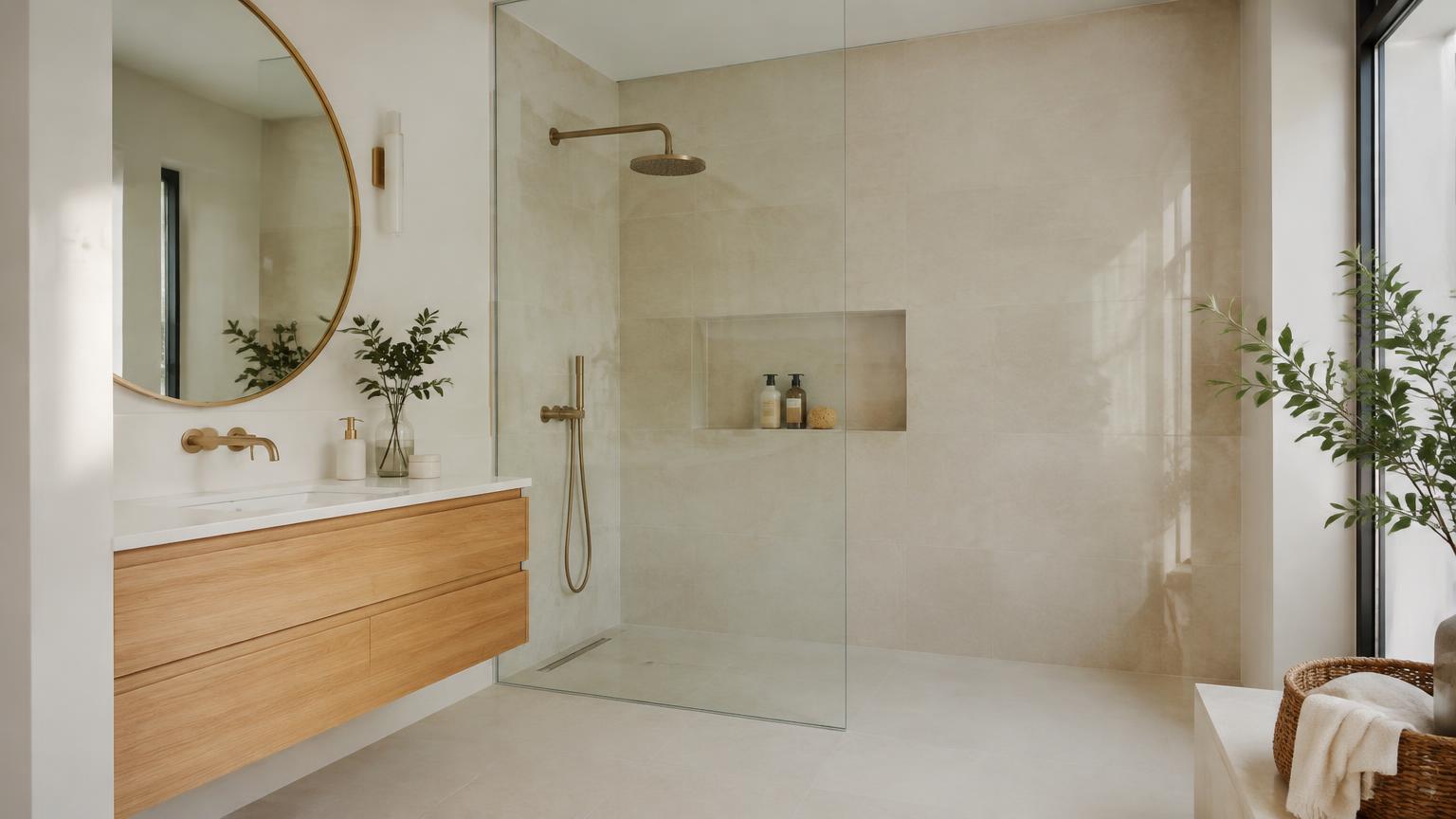
A complete bathroom renovation in Spain might cost around €4,500-€9,000 for a 4-6 m² bathroom, with a straightforward layout and mid-range fittings. Extensive plumbing changes, poor underlying conditions or premium finishes can take the budget to €9,000-€15,000 or more. These are indicative ranges, not fixed prices: costs vary with specification, property condition and location, including within the Costa del Sol.
Floor area alone will not tell you what your project should cost. Wall tiling, waterproofing, plumbing and access all influence the bill. This guide explains the main allowances, the details to look for in Spanish quotations and practical ways to save without compromising concealed work that would be expensive to put right later.
1. Start by defining the type of renovation
A cosmetic refresh and a full strip-out are very different projects, even when both are advertised as a bathroom renovation. Set your scope before asking companies for prices.
- Light refresh: €800-€2,500. This might cover suitable paint, a mirror, taps and accessories while retaining the existing surfaces and services.
- Partial renovation: €2,000-€5,000. For example, replacing a bath with a shower and updating selected fittings, depending on what is included.
- Standard complete renovation: €4,500-€9,000 for approximately 4-6 m², including new finishes and typical plumbing and electrical work.
- Complex or premium renovation: €9,000-€15,000 or more, particularly with layout changes and bespoke products.
All ranges are indicative and depend on specification, condition and area. Check whether VAT, waste disposal and all relevant trades are included.
A useful first step: divide your wish list into essentials and optional upgrades. A reliable shower and effective ventilation may matter more than a recessed shelf or statement tiles. Agreeing priorities early makes budget adjustments much easier.
2. A bathroom renovation cost breakdown
For a bathroom of around 4-6 m², the following allowances provide a starting point for reading quotations. Prices vary with specification, property condition and location. Contractors may combine items, so do not simply add every upper figure together.
- Protection, stripping out and waste removal: €400-€900.
- Substrate preparation and waterproofing: €450-€1,100.
- Water supply pipes and drainage: €600-€1,400, depending on the lengths replaced and access.
- Electrical work, accessories and basic lighting: €250-€700.
- Floor and wall finishes, including installation: €1,000-€2,300.
- Sanitaryware, shower tray and taps: €700-€1,800.
- Shower screen: €300-€900.
- Vanity unit, basin and mirror: €350-€1,200.
- Ventilation and finishing work: €150-€500.
Ask for materials and labour to be identified, with clear confirmation of where fitting each product is covered. Check the applicable VAT, any necessary municipal paperwork and waste arrangements too.
An item labelled ‘complete plumbing’ needs clarification. Which supply pipes and waste pipes are being replaced? Where does the new work stop? Connections beyond the bathroom may be excluded unless specifically listed.
3. What makes one bathroom more expensive than another?
Bathrooms with identical floor areas can have very different renovation costs. Much of the difference lies behind the finishes or in the practicalities of installation.
- Relocating the toilet or shower: drainage routes, falls and available floor depth can limit what is possible.
- Damaged surfaces: removing tiles may reveal damp, loose render or walls that need levelling.
- Large-format tiles: these need careful handling, suitable cutting equipment and particularly flat surfaces.
- Concealed fittings: built-in cisterns and taps require enough depth and a sensible maintenance-access arrangement.
- Difficult access: carrying materials upstairs without a lift, or working with restricted unloading space, adds labour.
- Made-to-measure products: unusual screen sizes, bespoke furniture and tiled niches can increase both cost and lead time.
For a Costa del Sol property, confirm contractor availability and delivery dates before booking a stay around the building work.
A common mistake: ordering a flush shower tray before anyone has checked the drainage depth. A completely level entrance may require more extensive work than expected, and it is not always practical within the existing floor.
4. How to request and compare proper quotations
The lowest headline total is not necessarily the best value. A cheaper quotation may omit essential preparation or leave generous scope for extras.
- Record the existing room. Measure length, width, height, openings and fitting positions. A tape measure, notes and photographs are sufficient initially; a laser measure is optional.
- Send everyone the same brief. Explain what stays, what changes and the standard of finish you want.
- Arrange a site visit. Photographs help with an initial estimate but cannot establish every installation or access issue.
- Request quantities and specifications. Look for tiled areas, fitting details, screen type and clearly defined plumbing work.
- Agree commercial terms. Confirm VAT, exclusions, estimated duration, staged payments and written approval of additional work.
- Check responsibilities. Ask about liability insurance, appropriately authorised trades and any installation documentation required.
A 10-15% contingency is a useful planning allowance, although older properties may justify more. It is not an automatic extra payable to the contractor. Unexpected work should be explained, priced and approved before it goes ahead.
5. Where you can save without cutting corners
The most effective savings usually come from a simpler design and well-timed decisions rather than choosing the cheapest version of every product.
- Retain a workable layout, provided the existing services are suitable and in acceptable condition.
- Choose standard sizes for shower trays, screens and vanity units. Check that components work together before ordering.
- Limit the number of tile styles. This can simplify purchasing, setting out and use of offcuts.
- Consider partial tiling. Outside areas exposed to water, a suitable moisture-resistant decorative finish may be an option.
- Reuse sound fittings where removal and refitting will not cancel out the saving.
- Prepare a complete shopping list. Include suitable adhesive, grout, trims, wastes, traps and fixing accessories, not just the visible products.
Let the installer calculate spare material for cuts and future repairs. Buying too little may leave you searching for a matching batch later.
Do not economise on waterproofing, drainage or substrate preparation. Sealant around a shower is not a substitute for a waterproofing system. Likewise, tiling over loose tiles or unresolved damp only hides the underlying problem.
6. Work sequence, materials and essential safety checks
Good sequencing avoids paying for work twice. The exact programme depends on the project, but a typical renovation follows these stages:
- Protect access routes and retained fittings, then strip out.
- Inspect surfaces and carry out the agreed plumbing and electrical changes.
- Test connections and drainage before concealing them.
- Prepare and waterproof surfaces, allowing the specified drying times.
- Install finishes, sanitaryware, furniture and the shower screen.
- Seal junctions and check for leaks, proper drainage, ventilation and finish quality.
Important materials include a compatible waterproofing system, joint tapes, tile adhesive suited to the substrate and tiles, and appropriate grout. Good tiles cannot compensate for poor preparation underneath.
Cutting and demolition tools need suitable protective equipment and competent handling. Never drill into an area without checking for concealed services.
Before electrical intervention, switch off the supply at the consumer unit and verify that it is dead with a suitable voltage detector. In Spain, new installations and extensions require an authorised installer and an electrical certificate, or *boletín*, under the REBT. Gas work is never a DIY task: use an appropriately authorised professional.
7. When to bring in a professional
Professional help is advisable for a complete renovation, and particularly for leaks, drainage alterations, electrical work or uncertain wall and floor conditions. Persistent damp might come from a concealed pipe or another flat; covering it with new finishes does not solve the cause.
Arrange an assessment before committing to a step-free shower, a relocated toilet or accessibility improvements. Drainage falls, usable clearances and installation conditions all need checking. A product fitting on a floor plan does not prove that the proposed arrangement will work.
Before appointing a company, record:
- The scope, materials and items to be retained.
- Protection of the property and removal of waste.
- The anticipated programme and process for unforeseen work.
- Final checks and any required documentation.
If your property is on the Costa del Sol, ReformaClick can help you find renovation companies and request quotes without obligation. Comparing proposals against the same written brief gives you a better basis for choosing than the lowest total alone.
Frequently asked questions
How much does a small 3 m² bathroom renovation cost?
A straightforward complete renovation might cost around €3,500-€6,500, depending on specification, property condition and location. Small bathrooms still need plumbing, sanitaryware and trade visits, so a room half the size does not necessarily cost half as much.
How much does it cost to replace a bath with a shower?
A typical project might fall within €1,200-€3,000, depending on specification, condition and area. Check whether the quote covers removal, waste disposal, drainage alterations, waterproofing, making good the affected walls, taps and a shower screen.
How long does a complete bathroom renovation take?
Allow roughly two to three weeks as an initial guide for a standard project, excluding the wait for materials. Hidden defects, bespoke products and drying times can extend the programme. Request an estimated schedule and do not rush manufacturers’ curing requirements.
Do I need permission to renovate a bathroom in Spain?
Requirements depend on the municipality and the work involved. Ask the town hall whether a licence, responsible declaration or another procedure applies. If shared drainage stacks or other communal elements are affected, also consult the community of owners.
Do Spanish bathroom renovation quotes include VAT?
Do not assume they do. Ask for the net amount, applicable IVA rate and final total including tax. A reduced rate is not available for every renovation; the correct treatment depends on the circumstances of the work and should be confirmed before acceptance.
Would you rather hire a professional?
Tell us about your project and we will connect you with renovation companies on the Costa del Sol. No obligation.
Get a quote