
Electrical Installation Certificate in Spain: Boletín Guide
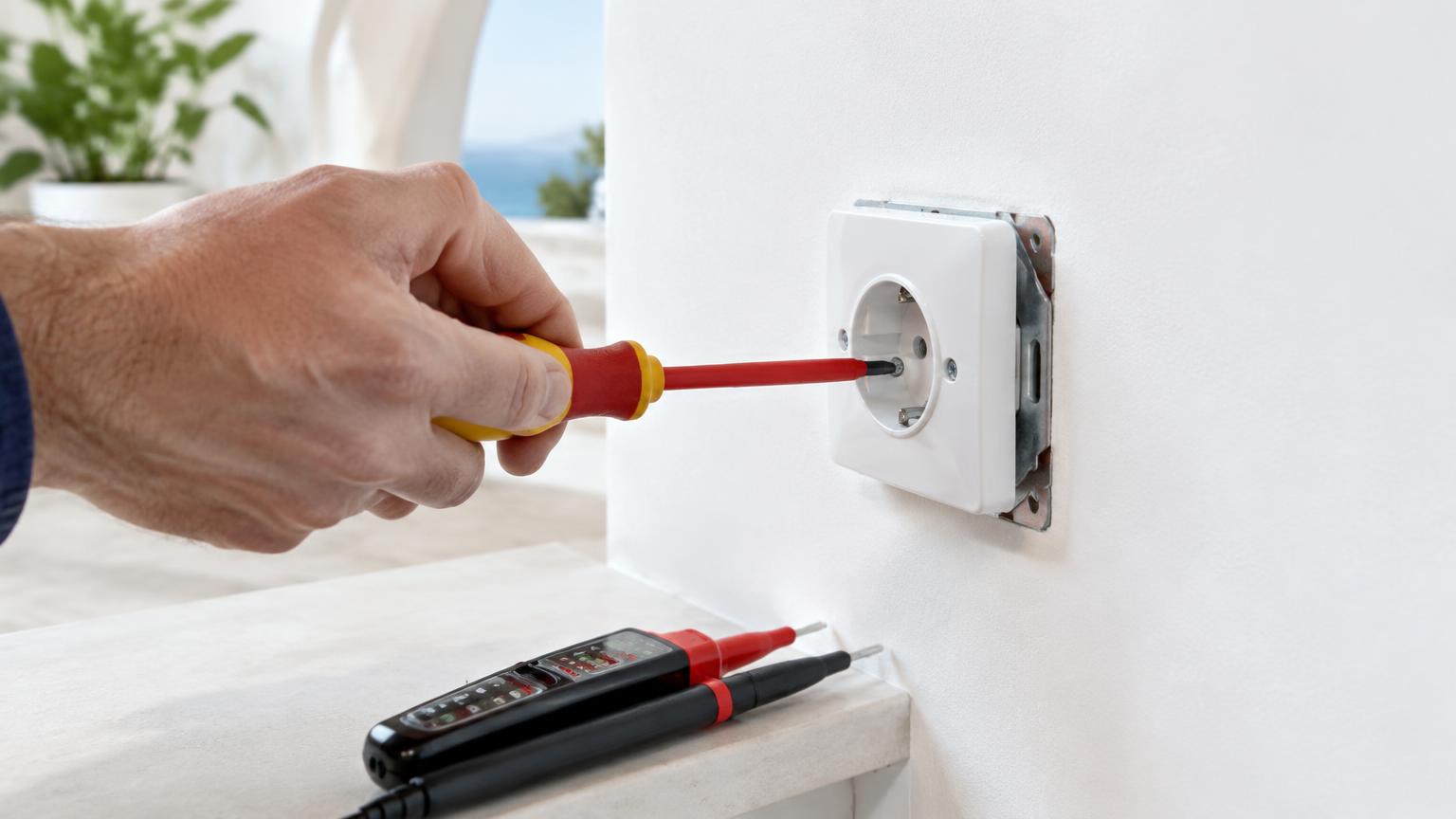
A boletín eléctrico, officially a Certificado de Instalación Eléctrica or CIE, is Spain’s electrical installation certificate. It records the installation’s technical characteristics and certifies compliance with the applicable safety requirements following checks by an authorised installer. It is not an energy performance certificate, an electricity bill or simply proof that the lights work.
You need one for a new installation, and it may also be required when extending or substantially altering an existing system, requesting certain power increases or restoring a disconnected supply. Not every electricity account change requires a new certificate. For a Costa del Sol property, first establish what paperwork already exists and ask what the distribution company requires for your particular application.
What the boletín eléctrico actually certifies
The CIE identifies the property’s electrical installation, its main characteristics and the installer responsible for certification. One particularly useful detail is its maximum admissible power: the electrical load the documented installation can accommodate. This is not necessarily the same as your contracted power allowance.
Spain separates the electricity retailer, which handles your contract and bills, from the distribution company, which operates the local network and deals with technical supply matters. Your retailer may pass on a request for documents originating from the distributor.
The certificate does not replace a statutory inspection where one is required, nor does it guarantee that an installation will remain safe indefinitely. It is also different from the property’s energy performance certificate. If you are familiar with British electrical paperwork, avoid assuming that a Spanish CIE is directly interchangeable with a UK inspection report.
When you need a certificate—and when you may not
Common situations include:
- A new installation: certification and the relevant administrative process are required before it enters service.
- An extension or significant alteration: updated certification and supporting documents may be necessary.
- An increase in contracted power: changes exceeding the documented installation limit can require upgrades and a new certificate.
- Reconnecting a supply after its contract has ended: requirements depend on the supply history and circumstances.
- Missing or inadequate paperwork: checks or replacement documentation may be requested for a particular application.
Changing the account holder, retailer or tariff does not automatically mean you need a new CIE. Neither does buying or renting a property in itself.
Under Spain’s Low Voltage Electrotechnical Regulation, the REBT, new installations and extensions require an authorised installer, an installation certificate and the relevant accompanying documentation. Significant alterations should also be assessed professionally rather than treated as routine DIY maintenance.
How to find an existing CIE and check whether it is usable
Start with the property’s handover pack, previous renovation records and electrical paperwork. The former owner, developer or original installation company may have a copy. If it cannot be located, ask the relevant Junta de Andalucía department about accessing the installation record or requesting a copy; you will need to establish your connection to the property.
A useful sequence is:
- Find an electricity bill and locate the CUPS, the supply point identification code.
- Note your current contracted power and the change you want to make.
- Ask the retailer or distributor to specify the missing or required documents.
- Give the existing certificate to an authorised installer for assessment.
Do not assume that every certificate automatically expires after twenty years. Installation age can trigger checks in certain circumstances, but the paperwork’s suitability also depends on subsequent alterations and the requirements of the specific application.
The application process: inspection, testing and paperwork
A CIE should not be treated as a document you can purchase without the installation being checked. The installer must establish whether it can be certified and identify any remedial work first.
- Provide the basic details: property address, holder’s details, intended use, existing CUPS where available and proposed changes.
- Arrange access: the installer examines the consumer unit, protective devices, wiring, circuits, earthing and other relevant components.
- Allow for testing: this can include insulation resistance, protective conductor continuity and the operation of protective devices, as appropriate.
- Resolve defects: faults preventing certification must be corrected.
- Obtain the paperwork: the installer prepares the CIE and completes the applicable regional submission or registration process.
Request your certificate and evidence of its administrative processing. Some installations also need a technical report, a project or additional procedures; the CIE does not replace them.
Keep the inspection date separate from the expected connection date. Repairs, additional paperwork and processing by the organisations involved can extend the overall timetable.
Typical costs and what to check in a quotation
For a straightforward domestic installation requiring no repairs or complex documentation, an indicative range for the assessment and certificate is €100–€250. This is not an official tariff. Prices vary with the quality of any materials required, the installation’s condition, the location and the service included.
Where protective devices, earthing or wiring need attention, the overall bill could reach €300–€1,000 or more. Extensive rewiring should be quoted separately rather than presented as the cost of a certificate.
Ask whether the quotation covers:
- Travel, the site visit and electrical tests.
- Preparation and processing of the CIE.
- Applicable administrative fees and taxes.
- Itemised materials and remedial work.
- A return visit if defects need correcting.
Practical tip: explain whether you are reconnecting a property, increasing contracted power or documenting a renovation. A low paperwork-only quotation is not comparable with one that includes fault-finding, repairs and administrative handling. Ask for exclusions in writing before agreeing to proceed.
Safe preparation, equipment and mistakes to avoid
Prepare your documents and a list of high-demand appliances, such as air conditioning, an electric oven or a water heater. Photographs of the closed consumer unit, with labels visible, can help the installer plan the visit. Keep access clear, but do not remove covers or buy electrical components in advance.
Specialist installation testers and instruments for checking insulation and earthing are the installer’s equipment. Replacement materials must suit the installation design and test results, rather than simply matching an old component’s appearance.
Avoid these common mistakes:
- Requesting more power without checking the installation’s capacity.
- Assuming a new consumer unit fixes defective wiring elsewhere.
- Accepting certification without an inspection and appropriate tests.
- Concealing junction boxes or connections before renovation checks are complete.
Before any electrical intervention, isolate the supply at the consumer unit and verify that it is dead using a suitable voltage detector. A non-contact pen alone is not sufficient proof. These precautions do not make untrained electrical work safe: leave access to live parts and all testing to a qualified professional.
When to bring in an authorised professional
Arrange a professional assessment if you are renovating an older property, cannot establish the installation’s condition or have received a distributor’s request for unfamiliar documents. Frequent tripping, damaged sockets and planned additional circuits for cooling, cooking or vehicle charging also warrant professional advice.
If you notice burning smells, sparks, electric shocks or unusual overheating, stop using the affected equipment. Switch off the supply only if you can do so safely and seek urgent assistance. Call 112 in a fire or immediate emergency.
Choose an appropriately authorised installation business and ask who will carry out the tests and sign the certificate. Request a clear explanation of defects and proposed repairs. If your property is on the Costa del Sol, ReformaClick helps you find renovation companies and request quotations without obligation. Specify that you need a CIE and confirm the electrical certification arrangements before accepting a quote.
Frequently asked questions
Does a Spanish electrical certificate expire after twenty years?
There is no universal automatic expiry rule to apply to every situation. The installation’s age can lead to additional checks for certain applications. Ask the distributor which documents it requires for your particular supply.
Do I need a new boletín to increase my contracted power?
Not always. Existing accepted documentation may cover the increase if the installation is suitable. Exceeding its maximum admissible power can require an assessment, upgrades and new certification.
Who can issue a boletín eléctrico in Spain?
An installer authorised for the relevant category, working within an authorised electrical installation business. A property owner or a tradesperson without the necessary authorisation cannot issue a substitute.
Can I obtain the certificate entirely online?
You can request quotations and send documents online, and administrative filing may be electronic. However, this does not remove the need for the necessary on-site inspection and electrical tests.
How long does it take to get a CIE?
Timing depends on installer availability, the installation’s condition and administrative processing. Ask for separate estimates for the visit, repairs, certificate delivery and supply activation rather than one promised completion date.
Would you rather hire a professional?
Tell us about your project and we will connect you with renovation companies on the Costa del Sol. No obligation.
Get a quote