
How to Unblock a Shower Drain Without Harsh Chemicals
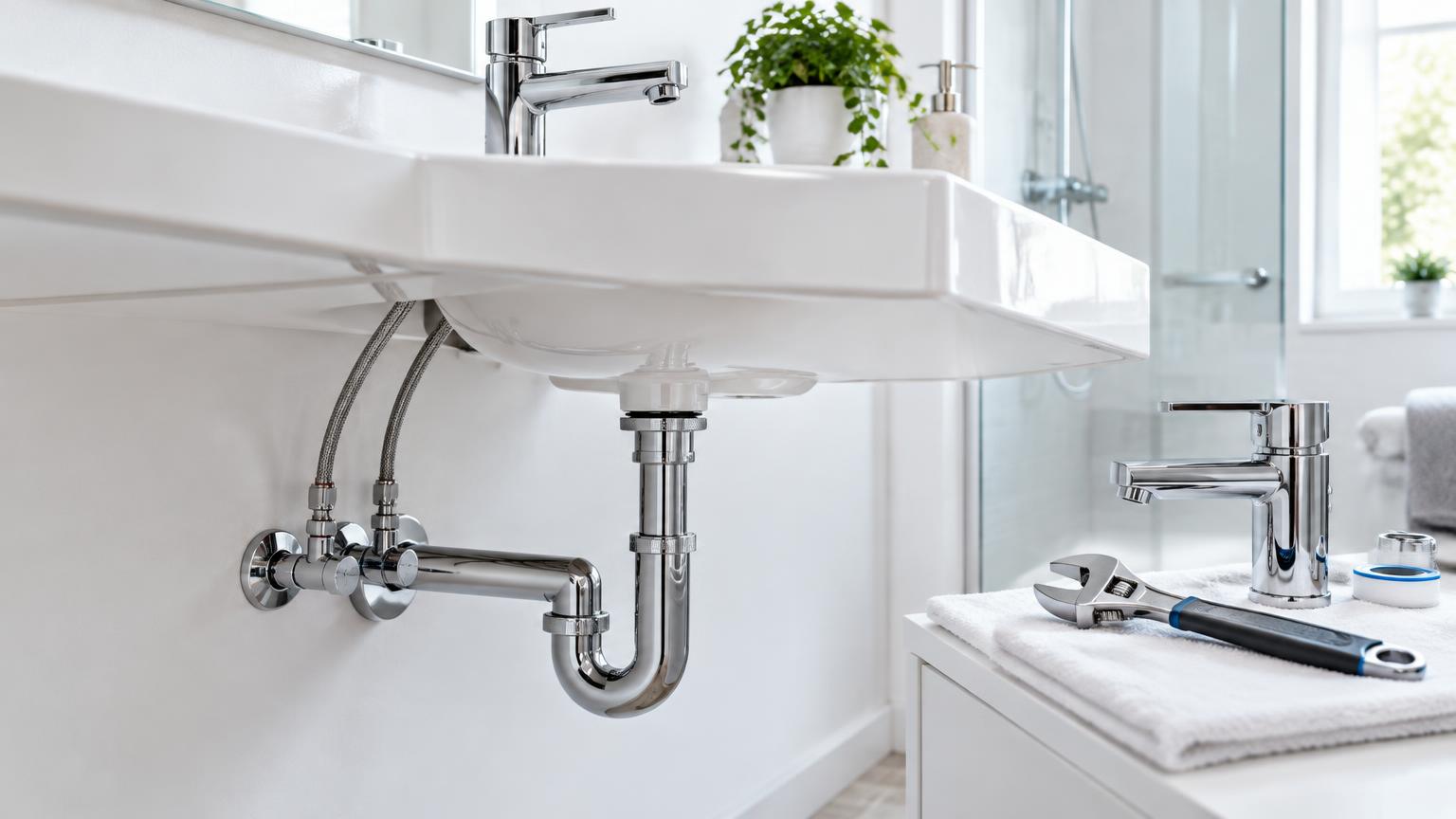
To unblock a shower or bath drain without harsh chemicals, start by removing accessible hair and soap deposits. Clean any removable waste components, then try a flat-cup plunger if the water still drains slowly. Physically removing the blockage is usually more useful than homemade mixtures when hair is caught near the opening.
First, check whether the shower is the only fitting affected. Water backing up elsewhere, leaks or a blockage that quickly returns can point to a problem beyond routine cleaning. This guide explains what you can safely try, which tools to use and when to stop and call a plumber.
1. Work out whether the blockage is local
Run a small amount of water and watch what happens, without filling the shower tray. Water that drains initially but then pools may indicate a partial restriction. If it barely moves at all, start by inspecting the grate and the area immediately beneath it.
- Only the shower or bath drains slowly: check its accessible waste and trap first.
- The basin or bidet is also affected: a shared pipe or floor trap may be involved.
- Water rises when another fitting is used: stop testing and arrange an inspection.
- There are damp patches or leaks below: do not add more water.
Some Spanish bathrooms have a shared, accessible floor trap called a bote sifónico. This is separate from the shower waste and may serve several fittings. Do not open unfamiliar sealed covers without understanding their purpose.
A drain smell does not automatically mean there is a blockage. In an infrequently used property, the water seal in a trap may simply have evaporated.
2. Gather your tools and make the area safe
Useful equipment includes gloves, a bucket, a torch, cloths, a small brush and a flexible plastic hair-removal strip. Have a flat-cup plunger ready, plus a suitable screwdriver only if the grate requires one. Keep metal tools off the bath surface to avoid chips and scratches.
- Move bathmats, toiletries and loose objects out of the way.
- Scoop out most standing water into a container.
- Ventilate the room and keep children and pets away.
- Photograph components before removing them and put screws somewhere secure.
If you have already poured chemical drain cleaner into the waste, do not add anything else or start plunging. Trapped cleaner can splash back. Follow the product’s safety instructions and tell any attending plumber what you used.
Power tools are unnecessary for these initial checks. If leaking water has reached electrical equipment or sockets, avoid contact with it and obtain professional help before attempting any work.
3. Remove trapped hair and clean accessible components
Lift the grate only if it is intended to come off for cleaning. Bath plugs vary: some lift out, while others have a specific release mechanism. Check the instructions rather than forcing the plug. Do not unscrew the waste body itself, as this can release a connection beneath the bath or shower tray.
- Remove visible hair with gloved fingers or a plastic tool.
- Feed a plastic hair-removal strip in gently, stopping at firm resistance.
- Pull debris out slowly and put it in the bin.
- If the shower waste has a removable trap cup, take it out according to the manufacturer’s instructions.
- Wash removable parts with warm water, mild soap and a small brush.
Linear shower drains and conventional wastes have different arrangements. Remove only the components designed for maintenance, and avoid improvised wire hooks that may scratch surfaces or become trapped.
Practical tip: brush the underside of the grate as well. The sticky soap film there can catch fresh hair even after the main opening looks clear.
4. Try a plunger with a proper seal
If removing visible debris has not restored drainage, try a flat-cup plunger in good condition. It needs water around its rim to form a seal; pumping against a dry opening is unlikely to achieve much.
- Refit any components needed for the waste to work properly, while leaving access for the plunger.
- For a bath, cover the overflow firmly with a damp cloth without pushing it inside.
- Add just enough water to cover the plunger’s rim.
- Centre the cup over the opening and make the first push gently to release trapped air.
- Use several controlled push-and-pull movements while maintaining the seal.
- Lift the plunger and check whether the water drains more freely.
You can repeat a short attempt if it helps, but do not keep increasing the force. Long channel drains and uneven surfaces may prevent an effective seal.
Avoid compressed-air devices and improvised high-pressure methods. They can put unnecessary stress on joints and seals, particularly in older plumbing.
5. Know the limits of hot water, homemade mixtures and drain snakes
Once you have removed debris, run hot tap water gradually to rinse away light soap deposits. Do not pour boiling water down the drain: it can damage some plastics, seals and finishes, as well as causing burns. Turn the tap off if water starts pooling again.
Bicarbonate of soda and vinegar fizz when combined, but fizzing does not show that a blockage is dissolving. The mixture is not a reliable way to remove a compact mass of hair. Vinegar can also damage natural stone and acid-sensitive finishes. Never mix bleach with vinegar, ammonia or other cleaning products.
A hand-operated drain snake can reach further, but it is not suitable for every shower waste. Only use one if you understand the access route and the tool’s instructions. Feed it gently and stop at firm resistance. Do not attach it to a drill or force it through mechanisms, membranes or tight bends. If the route is unclear, leave this stage to a plumber.
6. Test the drain and reduce future blockages
Reassemble the waste carefully, checking that seals are clean, correctly seated and free from obvious distortion. Do not use silicone to compensate for a badly fitted component or overtighten screws.
Start with a low flow, then gradually increase to normal shower use. Watch for persistent pooling and check any visible, accessible connections for leaks. A brief improvement does not necessarily mean the whole obstruction has gone: drainage that slows again may indicate a blockage further along the pipe.
To reduce repeat problems:
- Fit a compatible hair catcher that does not excessively restrict the flow.
- Remove collected hair after showering.
- Clean the grate and maintenance components regularly, adjusting the frequency to usage.
- Keep sand, building debris, oils and wipes out of the drain.
For holiday homes on the Costa del Sol, remember that unused traps can dry out. Replenishing their water seal can help prevent drain smells, although it will not clear an actual blockage.
7. When to call a professional and what it may cost
Contact a plumber if the blockage keeps returning, several fittings are affected, water backs up or there are signs of leakage. Professional help is also sensible when access involves working beneath a shower tray, disturbing concealed joints or opening a cover you cannot confidently reseal. Cleaning cannot correct a damaged pipe or inadequate fall.
As a rough guide, a straightforward, accessible clearance might cost €70–€160. Work involving machinery, additional investigation or difficult access could be around €150–€350, or exceed that range. These are indicative figures and vary with the quality of any materials or replacement parts, installation condition, location and urgency.
Ask whether the quote includes travel, labour, equipment, IVA and any additional repairs. If a communal drainage stack may be involved, contact your building administrator before commissioning work on it.
If your property is on the Costa del Sol, ReformaClick can help you find renovation companies and request a quote with no obligation to assess the work required.
Frequently asked questions
How do I unblock a shower with standing water?
Scoop out most of the water, remove accessible hair and try a plunger with enough water left to seal its rim. If chemical drain cleaner has already been used, follow its safety instructions rather than reaching into the waste or plunging.
Will bicarbonate of soda and vinegar unblock a shower?
They are not reliable for removing a hair blockage. The fizz can look effective without clearing the obstruction. Removing the debris and cleaning accessible waste components is generally a better starting point.
Can I pour boiling water down a shower drain?
It is best avoided because some pipework, seals and finishes can be damaged, and there is a risk of scalding. After removing debris, use hot tap water gradually and stop if it begins to pool.
Why does my shower drain keep blocking after cleaning?
There may be debris further along the pipe, an inadequate fall, a displaced component or a restriction in shared drainage. Repeated blockages warrant an inspection rather than increasingly forceful DIY attempts.
Does a smelly shower drain always mean it is blocked?
No. A dry trap, incorrectly fitted components or drainage ventilation problems can also cause smells. Refill the trap if the shower has been unused, and arrange an inspection if the smell persists.
Would you rather hire a professional?
Tell us about your project and we will connect you with renovation companies on the Costa del Sol. No obligation.
Get a quote