
How to Unblock a Kitchen Sink: 7 Methods in Order
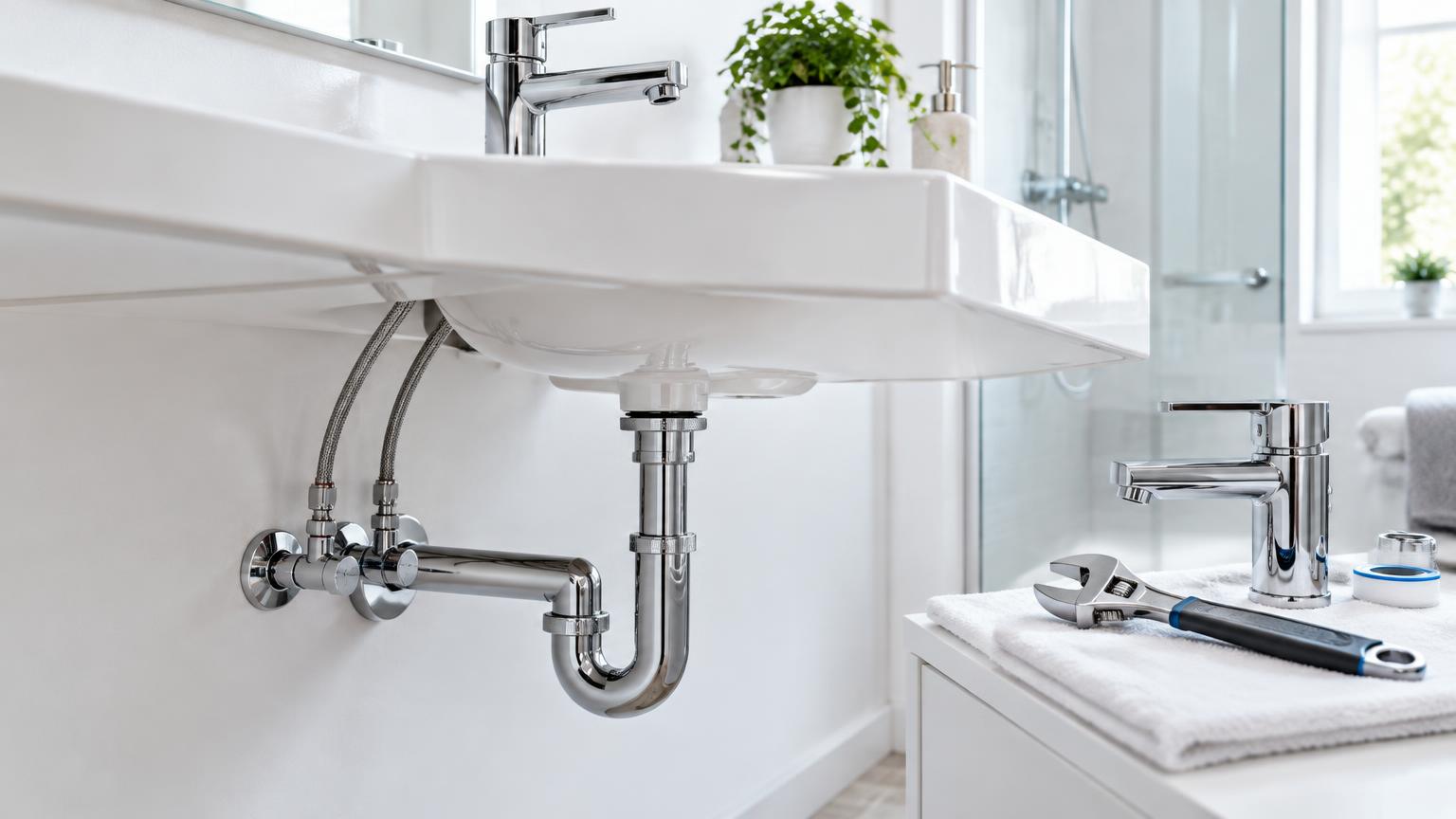
To unblock a kitchen sink, start by removing visible food waste, then try washing-up liquid with hot tap water and a sink plunger. If that does not help, cleaning the trap is usually the next sensible step. Do not keep adding different drain products or combine chemical and mechanical methods.
The seven options below range from simple checks to specialist clearance. You do not have to try every one: choose according to the symptoms and stop if anything leaks. If several drains are backing up, water appears through another appliance connection or you have already used a corrosive cleaner, contact a plumber rather than continuing.
1. Remove visible debris and check which drains are affected
Gather gloves, a bucket, a torch, cloths and long-handled tweezers. Scoop out standing water and stop using the dishwasher if it drains into the same pipework. Empty the cupboard below the sink and protect the floor.
- Lift out the removable strainer or plug.
- Remove food scraps and any debris you can clearly reach.
- Clean the strainer and drain opening without pushing waste further down.
- Run a small amount of water to check whether drainage improves.
Symptoms offer clues, not a definite diagnosis. If only the kitchen sink is affected, the blockage may be in its trap or waste branch. Problems at several fixtures can point to an obstruction further along the drainage system.
Never put your hand inside a waste disposal unit or dismantle its mechanism. Follow the appliance instructions and leave electrical or mechanical intervention to a suitable professional.
2. Try washing-up liquid and hot tap water
This may help loosen a light, recent coating of grease. It is unlikely to clear a solid obstruction or a heavily compacted blockage. Use ordinary hand washing-up liquid rather than dishwasher detergent.
- Remove most of the standing water.
- Add a small amount of washing-up liquid.
- Allow a few minutes for it to work.
- Add hot tap water gradually, watching the water level.
Avoid pouring in a kettle or pan of boiling water. It creates a scalding risk and may damage heat-sensitive seals or components. Do not leave the tap running when the water has nowhere to go.
Practical tip: if drainage improves briefly and then stops again, move on rather than repeatedly adding water. The obstruction probably needs physical removal. To prevent grease build-up, collect cooking oil separately and wipe greasy pans with kitchen paper before washing them.
3. Use a sink plunger and create a proper seal
A flat-bottomed sink plunger is normally suitable. You need enough water to cover its rubber cup and an effective seal around the drain opening.
- Block the overflow with a firmly held damp cloth.
- On a double-bowl sink, seal the second drain as well.
- Centre the plunger and press down gently at first to release trapped air.
- Make several firm pumping movements without breaking the seal.
- Lift it away and test drainage with a little water.
Try a few short rounds rather than aggressive pumping. Excessive force can disturb weak or ageing waste connections. Check the cupboard underneath for leaks afterwards.
Never plunge a drain containing chemical unblocker: splashes can cause serious injury. Leaving the overflow or the second bowl open is another common mistake. Pressure escapes through that opening instead of acting effectively on the blockage.
4. Remove and clean an accessible waste trap
The trap holds water to stop drain smells entering the room, but it can also collect food and grease. Cleaning it is a reasonable DIY task when it is accessible, sound and designed to come apart. Have a bucket, gloves, a brush and cloths ready.
- Photograph the arrangement and position the bucket underneath.
- Undo the removable trap cup or compression nuts, depending on the design.
- Catch the water and put solid waste in the bin.
- Clean the inside and inspect the seals.
- Reassemble everything in its original position without forcing the threads.
- Run water gradually and check each joint with dry kitchen paper.
Do not force glued connections, corroded metal or brittle plastic. Do not open a trap containing drain chemicals; tell a plumber what you have used instead.
A displaced seal can cause a leak even after successful clearance. Avoid improvised sealants as a substitute for correctly fitted parts.
5. Use a manual drain snake to reach beyond the trap
If the trap is clear but the sink still will not drain, the obstruction may be in the waste pipe entering the wall. A manual drain snake suitable for the pipe diameter can reach further along this branch.
- Work through the opening left by the removed trap, where the layout allows.
- Feed the cable slowly, following the tool instructions.
- When you feel resistance, rotate gently rather than pushing hard.
- Withdraw it gradually and collect any debris.
- Refit the trap and test with a small flow of water.
Resistance may be a bend rather than the blockage itself. Stop if the cable jams, the pipe moves or considerable force is needed.
Avoid improvised wire hooks, powered drain machines without training and drill-driven attachments. They can damage pipework or become stuck. Do not insert a snake into a drain that may still contain corrosive cleaner.
6. Consider a commercial unblocker only if it is compatible
Chemical drain cleaners are optional, not an essential next step. Some break down organic deposits, but they will not remove solid objects and may be unsuitable for certain pipes, seals or drainage arrangements.
Identify the pipe material and read the full label before buying or using one. If you do not know what the plumbing is made from, or what has already been poured down it, skip this option. Enzyme-based products generally suit maintenance or minor organic build-up rather than immediate clearance of a completely blocked sink.
- Follow the manufacturer's dosage, protective equipment, ventilation and timing instructions.
- Never mix products, including bleach, acids, vinegar or ammonia.
- Do not add hot water unless the label specifically requires it.
- Do not subsequently plunge, snake or dismantle pipework while cleaner may remain.
If it fails, do not switch to another chemical. Tell the plumber the product name and when it was applied.
7. Leave high-pressure drain clearance to professionals
A distant, recurring or shared blockage may require professional mechanical clearance or water jetting. The contractor should assess the pipe material, condition and available access before choosing the equipment.
Do not connect a household pressure washer to sink pipework using improvised fittings. This can cause blowback, leaks or damaged joints. A camera inspection may help where a persistent obstruction or damaged pipe is suspected, but it is not automatically necessary for every blocked sink.
As a rough guide, straightforward clearance may cost €70–€160, while more involved work using specialist machinery may be around €150–€400, or more. These are indicative ranges only: prices vary with component quality, installation condition, location, access and urgency. In the Costa del Sol, ask whether the quote includes travel, VAT and any emergency attendance supplements.
When should you call a professional?
Stop DIY attempts if you find a leak, deteriorated fittings, water returning through another drain or a blockage that comes back soon after cleaning. Professional help is also sensible when chemicals remain trapped or reaching the waste trap would require dismantling cupboards or other installations.
If several fixtures or homes are affected, notify the building administrator or owners' community, as a shared pipe may be involved. If you rent, tell the landlord before commissioning non-urgent alterations or repairs.
Provide photographs, describe the symptoms and list everything you have already tried. Request a quote explaining the proposed diagnosis, clearance work and any potential extras rather than assuming every blockage needs the same treatment.
If your property is on the Costa del Sol, ReformaClick can help you find renovation companies and request quotes without obligation.
Frequently asked questions
Will baking soda and vinegar unblock a kitchen sink?
The fizz may disturb surface dirt, but it rarely clears compacted grease or a substantial blockage. It is not a reliable substitute for cleaning the trap. Never add either ingredient after using another drain chemical.
What should I do if the sink is full of standing water?
Stop running the tap and any appliances connected to that waste pipe. Scoop the water into a container and only try plunging if no chemicals are present. Call a professional if water is backing up through other outlets.
Why does the sink block again after I clean the trap?
There may be deposits further along the pipe, an unsuitable fall or a problem in shared drainage. Repeated blockages need investigation rather than repeated doses of drain cleaner.
How can I prevent another kitchen sink blockage?
Use a sink strainer, bin food scraps and keep oil, coffee grounds and flour mixtures out of the drain. Clean the strainer regularly and check the trap if drainage slows or persistent smells develop.
Would you rather hire a professional?
Tell us about your project and we will connect you with renovation companies on the Costa del Sol. No obligation.
Get a quote