
Replacing Water Pipes: Copper, Multilayer or PEX?
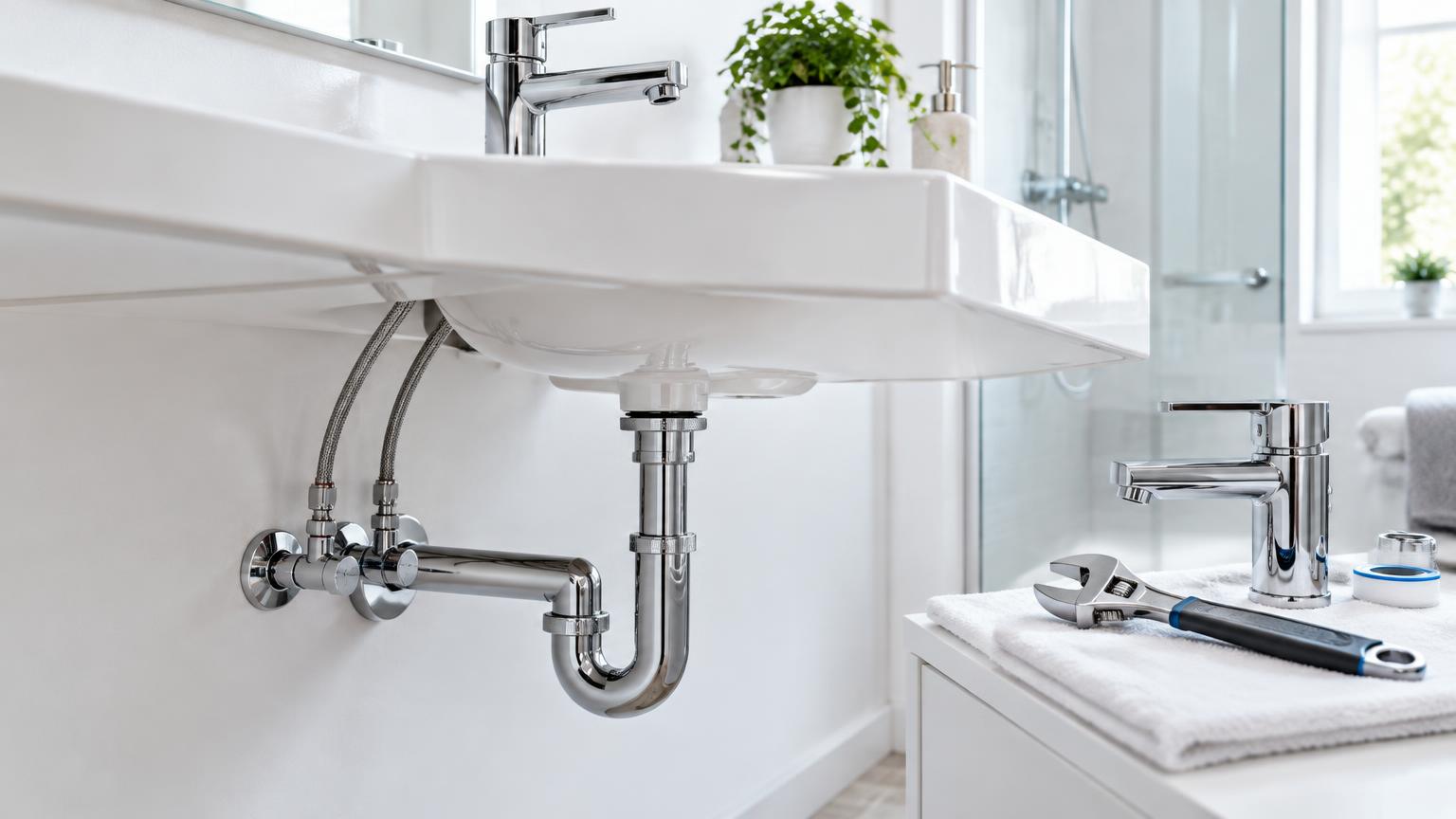
Replacing water pipes in an older home makes sense when recurring leaks, corrosion or restricted flow point to a failing installation. Start with a diagnosis rather than demolition: a blocked tap aerator, faulty valve or poor incoming supply can cause similar symptoms without requiring a complete replacement.
For homes on the Costa del Sol, copper, multilayer pipe and PEX can all be suitable options. The best choice depends on the layout, water conditions, access and quality of installation. This guide covers hot and cold water supply pipes, not waste pipes or soil stacks, which need a separate assessment and scope of work.
Signs your home's water pipes may need replacing
Age alone does not tell you whether the whole system needs replacing. Establish what the pipes are made of, where previous repairs have taken place and whether problems occur at one outlet or throughout the property.
- Repeated leaks: failures in several locations may indicate widespread deterioration.
- Weak flow: compare hot and cold outlets; internal deposits are one possibility, but blocked fittings are another.
- Discoloured water: check whether neighbours have the same issue before assuming it starts inside your flat.
- Damp patches: identify the source, as drainage leaks and rainwater ingress can look similar.
Suspected lead pipes should be professionally identified, with advice on replacement. Older galvanised steel pipes can also suffer internal corrosion that restricts the available passage for water.
Practical check: with all taps and water-using appliances off, see whether the meter still records consumption. This can flag an unexplained flow, but it cannot locate a leak or conclusively rule one out.
Copper, multilayer and PEX: the practical differences
Copper is rigid and handles normal domestic hot-water temperatures well. It can be useful for exposed runs, but joint quality, water chemistry and contact with other metals need attention. Replacing copper with copper is not automatically the best answer if the original failure relates to corrosion conditions.
Multilayer pipe combines plastic layers with an aluminium layer. It holds its shape reasonably well and expands less than unreinforced PEX. Often used in renovations, it can offer convenient routing and pressed joints. However, the fittings, pressing tools and jaw profiles must match the specified system.
PEX, or cross-linked polyethylene, is flexible and suits continuous runs from a distribution manifold. This can reduce intermediate joints. Its expansion, bend radius and protection from sunlight must be handled according to the manufacturer's requirements.
All three can carry drinking water when the products are suitable and correctly specified. A fitting that physically fits is not proof of compatibility. Ask for a documented system rather than an improvised combination of components. Operating pressure, temperature and the proposed route matter more than a blanket claim that one material is always superior.
Plan the routes and scope before opening walls
Map the supply from the incoming stop valve to the kitchen, bathrooms and water-heating equipment. In an apartment, distinguish your private pipework from communal risers and shared services. Work affecting these requires coordination with the owners' community, or comunidad de propietarios.
- Locate the main stop valve and check that it works.
- List existing outlets and any planned additions.
- Have the incoming pressure and flow assessed and the pipes sized accordingly.
- Compare routes through wall chases, ceiling voids and surface-mounted trunking.
- Plan accessible isolation valves and inspection points where needed.
- Check local council requirements and agree any shared water shutdowns.
For Costa del Sol properties, consider sunlight on outdoor routes and marine exposure affecting exposed metal components. A holiday home also needs accessible isolation arrangements when left unoccupied.
Common mistake: deciding where to chase a wall before checking its construction and hidden services. Structural elements must not be weakened to accommodate a convenient pipe route. Combining replacement with a kitchen or bathroom renovation can avoid paying twice to remove and reinstate finishes.
Materials, tools and a safe installation sequence
A clear specification should cover potable-water pipe, compatible fittings, isolation valves, supports, insulation and protection where pipes pass through building elements. Tools vary by system: pipe cutters, deburring and calibration tools, pressing or expansion equipment, and suitable pressure-testing equipment may be required.
A professional installation normally follows this sequence:
- Isolate the water and drain the affected pipework.
- Protect the property and locate concealed services.
- Remove redundant pipes, or leave them disconnected and empty, without dead legs connected to the live supply.
- Install the new runs with appropriate supports, bend radii and allowance for expansion.
- Insulate hot-water pipes and address condensation on cold-water pipes where necessary.
- Test the system before covering it.
If work could reach electrical cables, or water is close to electrical equipment, switch off the relevant electricity supply at the consumer unit and verify that it is dead using a suitable voltage detector. Get an electrician involved if there is any uncertainty. In Spain, new electrical installations and extensions require an authorised installer and the relevant electrical certificate, commonly called a boletín, under the REBT. Gas work is never a DIY task: do not alter gas pipes or appliance connections.
How much does replacing water pipes cost?
As an initial budgeting guide, replacing the water supply pipework in a home with a kitchen and one or two bathrooms may cost around €2,500–€7,000 where routes are reasonably accessible. A project involving substantial demolition, difficult access and extensive reinstatement could be around €5,000–€12,000 or more.
These are indicative ranges, not fixed prices. They vary with specification, existing condition and location, as well as property size and the number of outlets. Waste pipes, sanitaryware and communal work are not necessarily included. Check whether IVA, Spain's VAT, is included too.
Request separate allowances for:
- Removal or disconnection of the old network.
- Pipes, fittings, valves, supports and insulation.
- Installation labour and testing.
- Wall chasing, making good, tiling and decorating.
- Waste disposal and any exclusions.
Comparing a price per metre alone can be misleading: connections, access and building work often make a substantial difference. Keep a contingency for concealed defects, and agree how additional work will be authorised before the contractor starts.
Checks to complete before the pipes are concealed
Ask for a documented pressure and leak test appropriate to the installed system before walls or ceilings are closed. There is no single test pressure or duration suitable for every installation; the contractor should follow the manufacturer's procedure and applicable requirements.
The final checks should also include:
- Running several outlets to assess simultaneous use.
- Confirming that isolation valves work and remain accessible.
- Inspecting connections to taps and water-heating equipment.
- Cleaning, flushing and commissioning the new supply.
- Photographing concealed routes before finishes are reinstated.
Avoid inaccessible demountable connections, pipes bent beyond their permitted radius and fittings mixed without documented compatibility. Reusing a visibly deteriorated valve is rarely a sensible saving during a larger replacement project.
Professional tip: keep the product details and a simple route drawing with your property documents. They will help with future repairs and reduce the risk of drilling into hidden pipes. If hard water is an issue, assess the water and actual treatment needs first; a treatment device is not a substitute for sound pipework design.
When to bring in a professional
Whole-home replacement, concealed leaks and work affecting communal services are jobs for a competent professional. Seek specialist help where pipe materials are uncertain, access is difficult, damp is close to electrics or soldering would create a fire risk.
Arrange a site visit and compare quotations covering the same work. Ask which pipe system is proposed, how it will be tested, how water shutdowns will be managed and who is responsible for reinstating tiles and decoration. Agree variations in writing rather than relying on a conversation once walls are open.
If your property is on the Costa del Sol, ReformaClick helps you find renovation companies and request a quote without obligation. A proper assessment can establish whether a targeted repair is reasonable or replacing the full supply network would avoid repeated disruption.
Frequently asked questions
Is copper better than multilayer pipe in an older house?
Neither is universally better. Multilayer pipe can simplify renovation routes, while copper can suit exposed runs. Water conditions, component compatibility and installation quality should guide the choice.
Can water pipes be replaced without lifting the floors?
Sometimes. New routes may run through walls, ceiling voids or surface-mounted trunking. A survey is needed to check access and connections. Keeping the flooring intact does not necessarily eliminate other building work.
How long does replacing household water pipes take?
Installation may take several days, but demolition, testing and reinstating finishes can extend the overall project. Ask for a programme that separates the total working period from the actual water shutdowns.
Can I replace only the bathroom pipes?
Yes, provided the remaining network is in reasonable condition and the connection between old and new materials is suitable. If deterioration is widespread, partial replacement can leave other weak points and lead to repeated building work.
Is PEX suitable for hot water?
Yes, if the pipe and fittings are rated for the intended hot-water application, temperature and pressure. The installer must allow for expansion and follow the connection requirements of the water-heating equipment.
Would you rather hire a professional?
Tell us about your project and we will connect you with renovation companies on the Costa del Sol. No obligation.
Get a quote