
Low Water Pressure: Causes and Solutions at Home
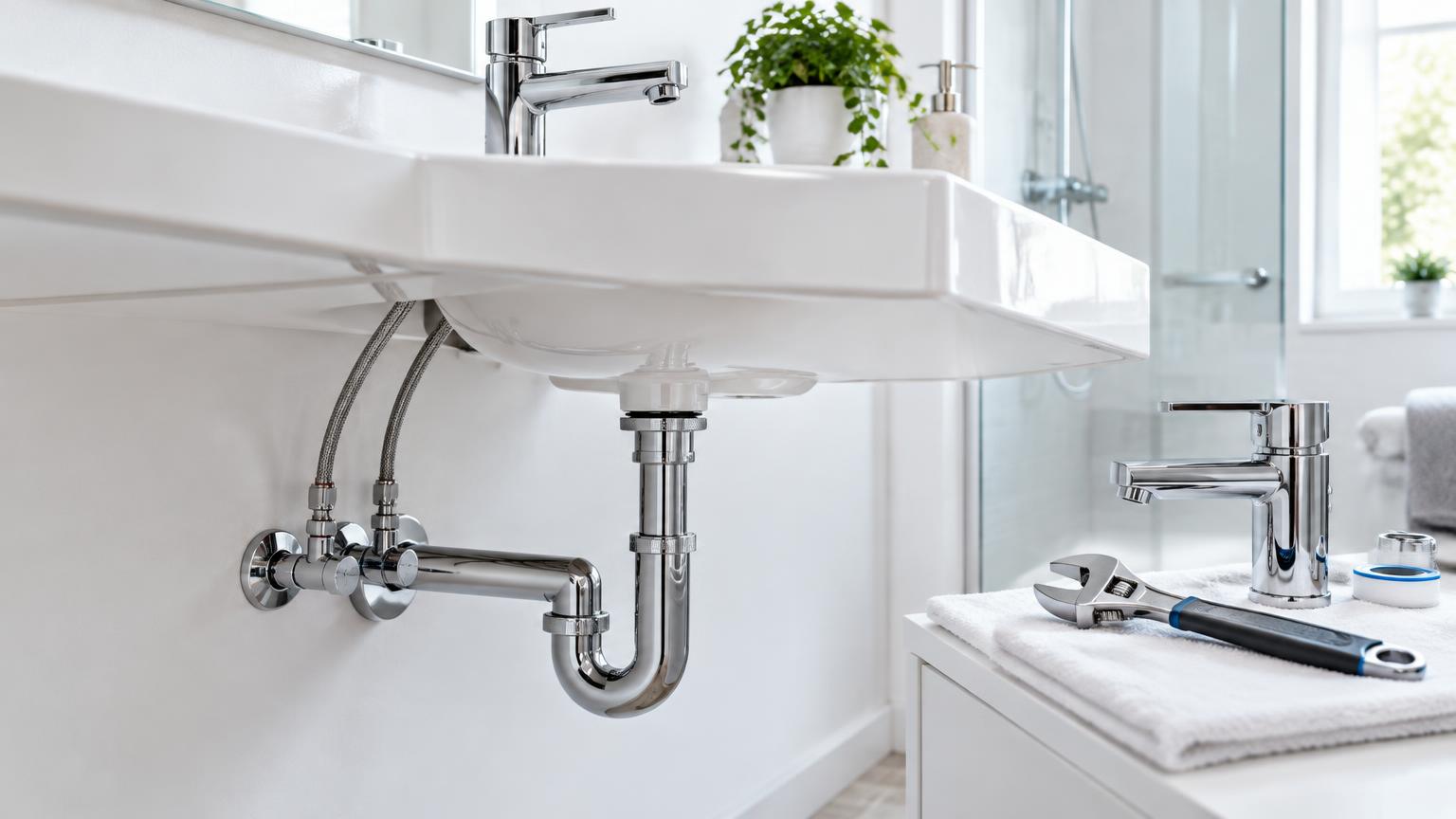
Low water pressure can come from something as simple as a blocked tap aerator or a partly closed valve. It can also point to a leak, restricted pipework or a problem with the building’s shared supply. Start by checking whether it affects one outlet, the whole property or just the hot water before buying replacement fittings or considering a pump.
The checks below will help you narrow down the cause without opening walls or taking appliances apart. They are useful for both houses and flats on the Costa del Sol, where the building’s water system may be as relevant as the plumbing inside your home. If the change is sudden and you notice damp patches, investigate a possible leak first.
1. Understand the difference between pressure and flow
Pressure and flow rate are different things. Pressure is the force available in the plumbing system; flow rate is the volume of water delivered over time. A blocked aerator can produce a weak stream even when the pressure upstream is adequate.
For a useful comparison, take a measuring jug or bucket and a stopwatch. Collect water from each outlet for the same length of time, first with nothing else running and then with another tap open. This compares flow rates: it does not measure pressure.
A pressure gauge attached to a suitable connection is needed for that. Readings with the taps closed and while water is flowing help distinguish supply issues from restrictions. A reasonable reading at rest does not rule out a significant drop during use.
There is no single ideal reading for every home. The property’s height, plumbing layout and appliance requirements all matter.
2. Work out how much of the property is affected
Follow a consistent sequence rather than changing fittings at random:
- Test the kitchen tap, basin taps and shower separately.
- Compare hot and cold water, taking care to avoid scalding.
- Repeat with the washing machine, dishwasher and other outlets off.
- Note whether the problem is worse at particular times.
- Ask neighbours on your floor and, if possible, a lower floor whether they have noticed a change.
One weak tap suggests a local issue such as an aerator, cartridge, flexible connector or isolation valve. A shower-only problem may involve the shower head or hose. If every outlet is affected, consider the incoming supply or shared pipework.
If neighbours have the same problem, contact the building administrator and water supplier before paying for work inside your flat. In taller buildings, upper-floor performance can depend on the condition and operation of the communal booster system.
3. Clean accessible aerators and shower fittings
Gather a container, soft brush, cloths and an adjustable spanner, if needed. Choose a descaling product suitable for the fitting and follow its instructions. Acidic cleaners can damage natural stone, seals and some decorative finishes.
- Turn off the tap and cover the waste opening so small parts cannot fall down it.
- Unscrew the aerator by hand where possible. Protect the finish with a cloth if a tool is needed.
- Photograph the order of the parts, then gently brush away debris.
- Descale as directed, rinse thoroughly and reassemble without overtightening.
- Run the tap and check both the flow and any signs of leakage.
For a shower, also inspect the hose for kinks or damage. Before removing an inline filter, isolate its water supply and release the pressure through a tap.
A useful professional tip: repeated blockages deserve investigation. If particles return soon after cleaning, deteriorating pipework or debris elsewhere in the system may be the underlying cause.
4. Check valves, possible leaks and restricted pipes
Find the property’s main stop valve and check whether it was left partly closed after previous work. Look at the isolation valves serving affected fittings too. Do not force seized valves or interfere with sealed or communal equipment. An ageing valve can begin leaking when disturbed.
To check for unexplained water use, close every tap and make sure toilet cisterns are not refilling and appliances are not drawing water. Watch your individual water meter for a suitable period. Continued registration may indicate a leak or an overlooked demand, but does not tell you where it is.
Look beneath sinks and around accessible pipework for drips, dampness and persistent running-water sounds. If you find a substantial active leak, turn off the main supply if safe to do so.
Older pipes can become restricted by corrosion or deposits. Kinked flexible connectors and undersized pipe runs can also limit delivery. Replacing a tap will not resolve a blockage further upstream.
5. Investigate problems affecting only the hot water
If cold water runs normally but hot water does not, focus on the hot-water system. Possible causes include a partly closed valve, a blocked filter, deposits inside the heater or a faulty thermostatic mixer.
- Establish whether every hot outlet is affected or just one.
- Visually inspect accessible connections without dismantling the appliance.
- Check the manual for troubleshooting intended for the user.
- Note any error messages or unstable temperatures.
Internal descaling is not automatically a DIY job. The correct chemicals and procedure depend on the equipment, so arrange technical servicing when the restriction affects the whole hot-water supply.
Never work on gas components yourself. If any check involves access to electrical parts, switch off the relevant supply at the consumer unit and verify that it is dead using a suitable voltage detector. If unsure, leave the work to a professional. Do not open a water heater simply to look for a blockage.
6. Compare practical solutions and indicative costs
The right repair depends on the cause. The following are broad guide ranges in euros and vary with material quality, installation condition and location, as well as access and the work involved. Ask whether call-out charges, materials and taxes are included.
- Straightforward professional cleaning or replacement of aerators or shower fittings: €60–€150.
- Replacement of an accessible valve, flexible connector or similar component: €80–€250.
- Diagnosis and repair of an accessible leak: €120–€400, excluding substantial building work.
- A domestic booster system with a suitable installation: €600–€1,800, potentially more where storage or additional works are required.
Do not buy a pump before diagnosing the problem. It may worsen leaks, create noise or conflict with the supplier’s connection conditions. Direct mains boosting must be checked with the water supplier; a storage arrangement and protective measures may be necessary.
Avoid adjusting a pressure-reducing valve blindly. In Spain, new electrical installations or extensions require an authorised installer and the appropriate installation certificate, often called a boletín, under the REBT.
7. Know when to call a professional
Arrange a plumber’s visit if pressure drops suddenly throughout the property, damp patches appear, the meter shows unexplained use or basic cleaning makes no difference. Professional advice is also sensible for seized valves, ageing pipework and suspected faults in pressure-reducing valves or booster equipment.
Prepare photographs, the approximate age of the plumbing, a list of affected outlets and any times when performance worsens. Ask for a diagnosis that distinguishes incoming supply problems from restrictions inside the home, including checks while water is flowing.
Request a written quotation covering materials, labour, any wall openings and reinstatement of finishes. For communal equipment, coordinate with the building administrator before authorising work.
If your property is on the Costa del Sol, ReformaClick can help you find renovation companies and request a no-obligation quote to assess the work needed.
Frequently asked questions
Why does the pressure drop when two taps are running?
The incoming supply may be insufficient for simultaneous demand, or valves, filters or pipes may be restricting flow. Comparing pressure at rest and during use helps identify the cause.
Can I improve water pressure without fitting a pump?
Cleaning blocked fittings, opening a partly closed valve and repairing leaks or restrictions can restore available performance. These measures cannot increase the pressure supplied by the water network.
Can limescale cause a weak shower?
Yes. Deposits can obstruct the shower head’s holes or filters and reduce flow. If cleaning does not help, the hose, mixer and supply need checking.
Is low water pressure my responsibility or the community’s?
It depends on the source of the fault. The issue may lie with the water supplier, communal equipment or private plumbing. Establish the location and speak to the building administrator before commissioning repairs.
Would you rather hire a professional?
Tell us about your project and we will connect you with renovation companies on the Costa del Sol. No obligation.
Get a quote