
Hidden Water Leak: Spot the Signs Before Damage Spreads
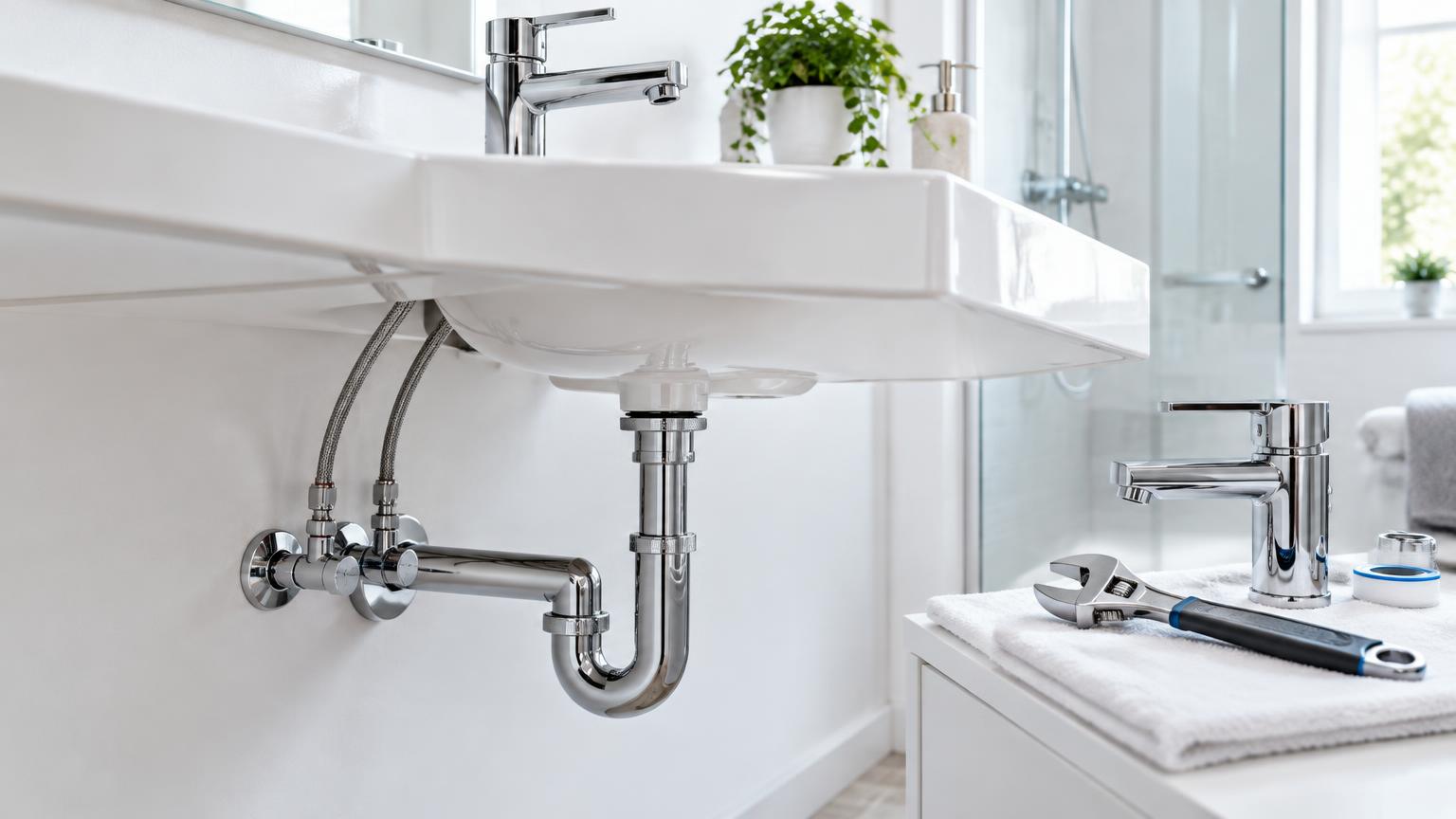
A hidden water leak often gives warning signs before a large damp patch appears: unexpected water use, a musty smell, bubbling paint or a meter that keeps moving when everything is switched off. Checking the meter with all water use stopped is a useful first step, but it will not identify rainwater ingress or leaking waste pipes.
The aim is to narrow down the cause without lifting floors or knocking holes in walls unnecessarily. This guide explains safe checks you can make, what basic tools can tell you and when specialist detection is worthwhile. If water is near electrics, a ceiling is bulging or water is escaping continuously, stop investigating and prioritise safety.
1. Recognise the early signs of a hidden water leak
Look for recent changes, particularly near bathrooms, kitchens, utility areas and walls carrying plumbing. One symptom alone is not proof of a leak, but several together deserve attention.
- Damp patches that expand or return after drying.
- Blistering paint, soft plaster or swollen skirting boards.
- A persistent musty smell in cupboards or closed rooms.
- Running-water sounds when no taps or appliances are in use.
- An unusually warm patch of floor, which could indicate a hot-water leak.
- Higher consumption without a change in occupancy or habits.
Compare water bills using cubic metres and the billing period, rather than the amount payable alone. Tariff changes and estimated readings can create a misleading increase. For a Costa del Sol holiday home, consider garden irrigation, pool top-ups and any water use while the property is empty.
Useful tip: take dated photographs with an object for scale. Tracking how a patch changes is more helpful than trying to remember its original size.
2. Separate plumbing leaks from other sources of damp
Damp does not automatically mean a leaking supply pipe. The timing and location can help distinguish between different causes before anyone starts opening up walls.
- Condensation: often affects cold surfaces, corners and windows, particularly where ventilation is poor. Mould can develop without a plumbing fault.
- Rainwater ingress: tends to appear or worsen after rainfall, around roofs, terraces, façades or windows.
- Leaking waste pipes or failed seals: symptoms follow showering, emptying a sink or running an appliance.
- Supply-pipe leaks: may continue even when nobody is using water.
If there is no active damage, keep a short record of rainfall, bathroom use and changes in the damp patch. Do not deliberately flood a shower tray or pour large volumes of water down a suspect drain to reproduce the problem.
In an apartment, the source could be an upstairs property or a communal pipe. Water can travel along slabs, joints and service routes, so the visible patch may be some distance from the fault.
3. Check your water meter in a controlled test
You will need safe access to your own meter, a torch, your phone and a period with no water use. Make sure you have identified the correct meter; do not disturb seals or operate communal valves.
- Turn off every tap and wait for toilet cisterns to finish filling.
- Ensure washing machines, dishwashers, irrigation and automatic water-using equipment will not operate during the test.
- Photograph the full meter reading and its flow indicator, if fitted.
- Leave everything unused for around 30–60 minutes, then compare readings.
- If the reading changes, check toilets and automatic equipment before assuming a concealed pipe has failed.
A rising reading confirms water passing through the meter; it does not locate the fault. An unchanged reading cannot rule out a tiny or intermittent leak, or a waste-pipe problem.
If you can confidently identify your internal stopcock and it turns easily, closing it may help narrow down the affected section. Interpretation depends on the meter location and pipe branches. Never force a seized valve or treat this check as a definitive diagnosis.
4. Inspect accessible fittings without taking anything apart
Gather kitchen roll, a torch, gloves and a small container. Dry surfaces first so you can distinguish fresh leakage from existing damp. Do not loosen pressurised plumbing connections.
- Wipe kitchen roll around visible flexible hoses and joints beneath sinks and basins. Small droplets often collect underneath.
- Check accessible isolation valves, the toilet base and appliance connections.
- Listen for a toilet cistern repeatedly refilling or look for water trickling into the pan. This can keep the meter moving without wetting the floor.
- Observe traps and waste connections during brief, normal use, but only where there is no active damage.
- Visually inspect around the water heater without removing covers or obstructing safety valves.
For an accessible cistern, a few drops of food colouring in the tank can help reveal water passing into the bowl without flushing. Follow the manufacturer's instructions and avoid anything likely to stain.
Gas appliances and gas connections are never a DIY job. If the suspected problem involves gas equipment, use an appropriately qualified professional.
5. Understand what detection tools can actually tell you
A moisture meter is useful for comparing areas and monitoring changes over time. It does not prove that a pipe is leaking: salts, metal and differences between building materials can affect readings. Compare like-for-like surfaces and avoid puncturing finishes where hidden services may be present.
Thermal cameras show temperature differences, not water itself. Shading, missing insulation and normally operating pipes can produce misleading patterns. A phone app alone is not a substitute for specialist detection equipment.
Depending on the installation, a leak-detection contractor may use:
- Acoustic equipment to investigate noise from pressurised pipes.
- Thermal imaging, particularly as an aid with hot-water circuits.
- Tracer gas in a suitably prepared pipe section.
- Tightness testing or a camera inspection of accessible drains.
The right method depends on the pipework, materials and access. No technique guarantees that every leak can be found without opening anything up. Hiring sophisticated equipment for one damp patch may be less useful than a properly planned inspection with professional interpretation.
6. Limit damage safely while arranging help
If water is escaping continuously or a damp patch is spreading quickly, close your property's main stopcock if it is safe to do so. Stop using the suspected appliance or drain and move belongings away from the affected area.
Do not touch wet sockets, light fittings or electrical equipment. Switch off the electricity at the consumer unit only if it is dry and safely accessible without crossing water. Before electrical work, isolation must be verified with a suitable voltage detector. If access is unsafe, keep away and seek assistance. In Spain, new electrical installations and extensions require an authorised installer and a boletín electrical certificate under the REBT.
Keep clear of bulging ceilings and do not puncture them to release water. Notify affected neighbours or the community administrator where shared elements are involved, and contact your insurer if applicable.
Keep photographs and invoices. Do not repaint or close up a wall before the leak is repaired and the materials have dried. Covering the stain does not solve the underlying problem.
7. When to call a professional and what to ask for
Arrange a plumber if the meter keeps advancing without explanation, damp repeatedly returns or you suspect a leak beneath the floor. Flooding, continuously escaping hot water, electrical hazards and distorted ceilings require urgent attention.
Provide photographs, meter readings, details of when symptoms appear and the location of isolation valves. Ask for a quotation separating call-out, detection, plumbing repair and making good, with VAT and any written report clearly addressed.
As a broad guide, specialist detection may cost €120–€450, while a localised plumbing repair may fall around €150–€700, excluding substantial reinstatement. These are indicative ranges and vary with material quality, existing condition and location. Emergency visits, difficult access and extensive damage can cost more.
Ask how the repaired pipework will be checked for leaks and who will handle drying, plastering and redecoration. If your property is on the Costa del Sol, ReformaClick can help you find renovation companies and request a no-obligation quote for the work needed.
Frequently asked questions
Can a hidden water leak happen without a damp patch?
Yes. Water may escape into the ground, a void or a drain without becoming visible indoors. Unexplained consumption and meter movement when nothing is in use are useful clues, although a running toilet or automatic equipment can produce the same signs.
Does a stationary water meter rule out a leak?
Not entirely. A leak may be intermittent or too small to register clearly during a short test. Rainwater ingress and leaking waste pipes also will not cause continuous movement at the supply meter.
How can I tell whether the leak comes from my flat or upstairs?
The position of the stain is not enough. Investigation may involve linking damp to water use, checking the relevant meters and inspecting private and communal pipework. Coordinate access with your neighbour, the community administrator and insurers where appropriate.
Will Spanish home insurance cover a hidden water leak?
It depends on the policy and the cause. Leak tracing, repairing the pipe and repairing resulting water damage may have different cover limits or exclusions. Notify your insurer promptly and check before commissioning non-urgent work, without delaying measures needed to limit damage.
Will a plumber need to break into the wall to find the leak?
Not always. Meter checks and specialist equipment can often narrow down the search before opening up finishes. A limited opening may still be necessary to confirm the fault and reach the pipe for repair.
Would you rather hire a professional?
Tell us about your project and we will connect you with renovation companies on the Costa del Sol. No obligation.
Get a quote